The October–February pressure window in Chattanooga
Winter rodent proofing is not a year-round concept, it is timed to a specific, predictable, and intense pressure window that Chattanooga experiences reliably every year from October through February. During this window, house mice move indoors across Hamilton County as temperatures fall. Roof rats complete the canopy-to-attic transition after mast-crop season ends. And Norway rats that have been living in outdoor burrow colonies through summer begin exploring adjacent building foundations for overwintering harborage.
The homes that escape this seasonal infestation cycle reliably are homes with no structural entry points, sealed foundations, screened vents, copper-mesh-packed utility penetrations, and intact soffit-fascia junctions. Winter rodent proofing is the program that closes all identified entry points in one coordinated effort before the pressure peaks, rather than reacting after mice appear in the kitchen in November.
The winter proofing program sequence
Detection survey
Full exterior inspection: roofline assessment, foundation perimeter walk, garage seal check, utility penetration survey. All gaps logged by location, size, and priority. Interior attic and crawl space checked for existing activity.
Interior trap set (if active)
If interior activity evidence is found, snap traps placed before exterior sealing begins. Sealing active entry points over active interior populations traps mice inside, we don't skip this step.
Full exterior sealing
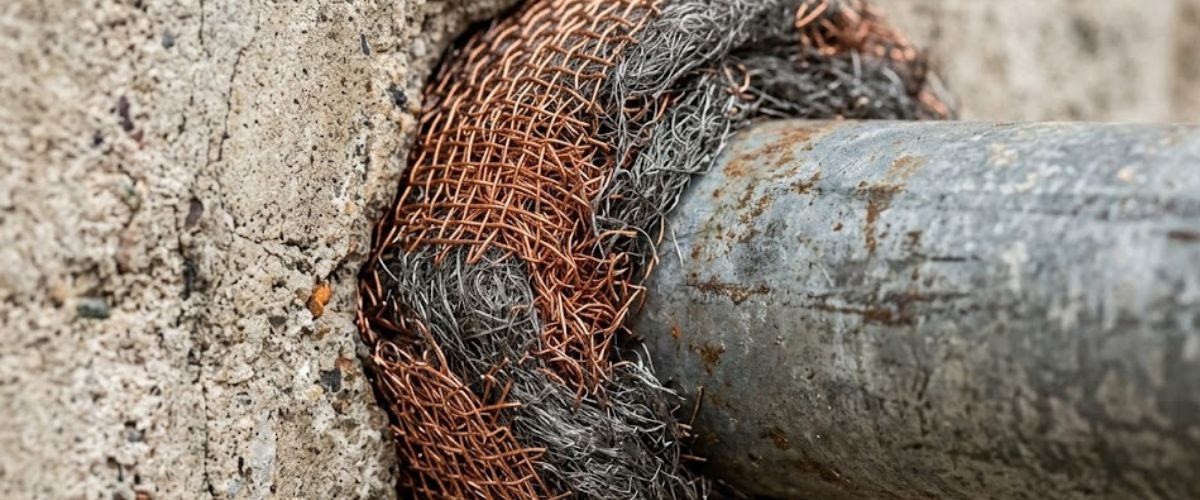
All identified entry points sealed in a single visit where possible: copper mesh on utility penetrations, hardware cloth on vents, mortar-matched products on foundation gaps, weather-compatible caulk on soffit joints. Multiple trades' worth of materials on every truck.
Follow-up verification (2–3 weeks)
Return visit to confirm seal integrity, check interior traps, and identify any additional entry points that became apparent after the first sealing visit. Activity log updated. Written program completion report.
Pricing
| Scope | Typical range | Notes |
|---|---|---|
| Detection survey | Free | Full entry-point identification before any sealing work quoted or scheduled. |
| Complete winter proofing (standard home) | $450–$900 | Detection + full sealing + interior traps + follow-up verification visit. |
| Heritage home (St. Elmo, Highland Park, Missionary Ridge) | $600–$1,100 | More many entry points, heritage-compatible materials, longer installation time. |
Factors that change your specific quote
- Service window — Sept-Nov is peak demand, scheduling lead time matters
- Property exposure — rural property vs suburban vs urban affects scope
- Specific cold-weather treatments — additional foundation gap sealing, attic insulation check, fireplace damper inspection
- Includes follow-up monitoring through winter — Dec-Feb activity verification
- Material grade — winter-rated sealants vs standard
About insurance: Winter proofing is preventive and not covered. Documentation supports any winter damage claims if rodents do penetrate.
Want your real number? Call (844) 635-0403 for a free on-site free pre-winter walkthrough.
Common mistakes Chattanooga homeowners make with winter proofing
Winter proofing scheduling is sensitive to timing. Done before the October cold-pressure peak, it's prevention. Done during the peak, it's part-prevention part-cleanup. Done after, it's cleanup with prevention features. The mistakes homeowners make tend to cluster around the timing question and the related material choices.
Scheduling winter proofing in December or January. By this point, mice are inside Chattanooga homes and have established for 6-10 weeks. Sealing the building envelope without first addressing the interior population traps mice inside, where they continue to damage and produce odor problems. December-or-later scheduling needs to include interior trapping as part of the work, not just envelope sealing.
Focusing exclusively on visible exterior gaps. Garage door bottom seals get attention because they're obvious. Utility penetrations behind shrubs, foundation gaps below grade, attic vent screen failures, and shared-wall openings are equally important but less visible. A full winter proofing visit inspects every exterior surface plus attic interior plus crawl space interior, the homeowner-DIY version usually covers only the visible exterior gaps and misses the rest.
We use spray foam on exterior wood joints. Wood moves seasonally. Spray foam doesn't. Foam in soffit joints, foundation sill gaps, and trim board transitions cracks within one to two seasons in Chattanooga's freeze-thaw cycle, reopening the gap that was sealed. The right material, copper mesh backed with paintable elastomeric caulk, accommodates wood movement and lasts 8-15 years.
Skipping the chimney cap. Open chimneys are roof rat highways into Chattanooga heritage homes, and they're often the entry point that homeowners don't think about because the fireplace damper feels like a barrier. Damper closure doesn't exclude rodents, the damper is designed for airflow control, not animal exclusion. A stainless chimney cap with appropriate mesh is the prerequisite for any heritage-home winter proofing program.
Skipping the year-two follow-up inspection. Initial winter proofing is the largest expense. The maintenance visits in subsequent years catch what's developed over the intervening 12 months. Homeowners sometimes treat the initial work as one-and-done and don't schedule follow-ups. Year two and year three usually reveal small new gaps from seasonal wood movement, foundation settlement, or new utility work, easy to address as maintenance, expensive to address after they've admitted a new infestation.
Frequently asked questions
Why is winter the most important time for rodent exclusion in Chattanooga?
Two overlapping pressure events converge in October–November: roof rats transition from canopy food sources to attic harborage as mast-crop season ends. And falling temperatures drive house mice indoors. Both pressures exploit the same entry points simultaneously. Sealing before the pressure peak, late September or early October, prevents infestations that would otherwise run all winter.
What's the difference between winter rodent proofing and a prevention inspection?
A prevention inspection identifies what needs to be sealed. Winter rodent proofing is action-focused: detection plus immediate on-site sealing of all gaps using the full material set, plus a follow-up verification visit. The emphasis is on completing the work in one coordinated program rather than producing a report for future action.
What if I already have mice inside when I schedule winter proofing?
Interior snap trap placement comes before exterior sealing. Sealing the exterior without clearing the interior traps mice inside. Our winter proofing program includes interior trapping alongside the exterior sealing work, we never seal over an active unresolved interior population.
What does winter rodent proofing cost in Chattanooga?
A complete program for a standard single-family home: $450–$900. Heritage homes in St. Elmo or Highland Park: $600–$1,100. The inspection is always free. Sealing work quoted after the detection visit.
When should I schedule winter rodent proofing in Chattanooga?
September through early November is the optimal window. Treating before the first cold snap (usually mid-to-late October in Chattanooga) means the work is done before rodents are actively pressing on the building envelope. Mid-October through November is the second-best window, still effective, but you may have early entries to address as part of the work. December and January work as remedial rather than preventive, by then, you're treating an active in-progress incursion rather than blocking one. The ideal scheduling is the same week the first overnight temperature drops below 55°F in the local forecast.
Will winter rodent proofing fix an existing mouse problem?
Partially, but it's not the optimal sequence. Winter proofing focuses on entry-point sealing, which is half the solution. If mice are already inside, you also need interior trapping to remove the existing population. Sealing without trapping traps mice inside the walls where they die and create new problems. Our standard winter proofing visit includes interior trap placement when active interior signs are observed, with a follow-up service to remove caught animals and verify the population is reduced before final exclusion sealing. The combined scope runs about 25% more than seal-only winter proofing but resolves the problem completely.
What's the most common winter entry point in Chattanooga homes?
Garage door bottom seals. Standard residential garage doors have a rubber or vinyl bottom seal that compresses against the concrete slab when closed. Cold weather contracts the seal, freezing/thawing cycles compress it permanently, and corner gaps develop over 2–5 years that house mice can pass through (mice need only a 1/4-inch gap. A deformed garage door seal often has half-inch gaps at the corners). The second most common: utility penetrations on basement and crawl space walls where insulation was installed around the pipes but never properly sealed at the exterior face. Both are addressable with low-cost materials and 2–3 hours of work.
Do I need winter proofing if I had it done last year?
Yes, but at lower scope. Year-two and later winter proofing is a maintenance visit rather than a full inventory rebuild, usually 60–90 minutes versus 3–4 hours for the initial year. We check the prior year's sealing for integrity (some materials shrink, some get pushed out by frost heave or wildlife), inspect for any new entry points that developed from settlement or new utility work, and refresh any sealing that's degraded. Cost is usually 40–60% of the original year. Skipping a year increases the chance of needing remedial trapping the following winter.
What's the difference between fall prevention and winter proofing?
Same scope, different timing. 'Fall prevention' and 'winter proofing' both refer to the September-through-November exclusion work that closes building entry points before cold-weather pressure peaks. We use the terms interchangeably depending on the homeowner's framing. If you've already had a fall prevention visit and the work was thorough, you don't also need a separate winter proofing visit. If you skipped fall prevention and it's now December, winter proofing is what you'd schedule. The actual work is identical.