Chattanooga's two seasonal prevention windows
Chattanooga has two distinct rodent pressure peaks per year, and the best rodent prevention is timed to catch both windows before pressure spikes rather than responding after activity starts. Understanding which window matters most for your property depends on species and neighborhood:
The fall window (August–November) is the primary prevention target for most Chattanooga homeowners. This is when roof rats move from the maturing mast-crop canopy in St. Elmo, Highland Park, and Missionary Ridge toward rooflines, and when house mice across all Hamilton County neighborhoods begin moving indoors as October temperatures drop. An inspection and exclusion visit in late August or early September closes entry points before pressure peaks, the most cost-effective timing.
The spring window (February–April) is the secondary prevention target. Wintering mouse populations begin breeding in place. Roof rats resume canopy movement as temperatures rise. And new Norway rat burrow activity appears along foundations as soil warms. Freeze-thaw cycles through the winter may have opened new foundation gaps that weren't present in the fall. A spring inspection catches these new openings before they become summer entry routes.
What the seasonal prevention visit includes
Full exterior inspection
Roofline assessment (soffit, vents, gable, ridge), foundation perimeter walk, garage door seal check, and utility penetration spot-check. All gaps logged and photographed.
On-site sealing
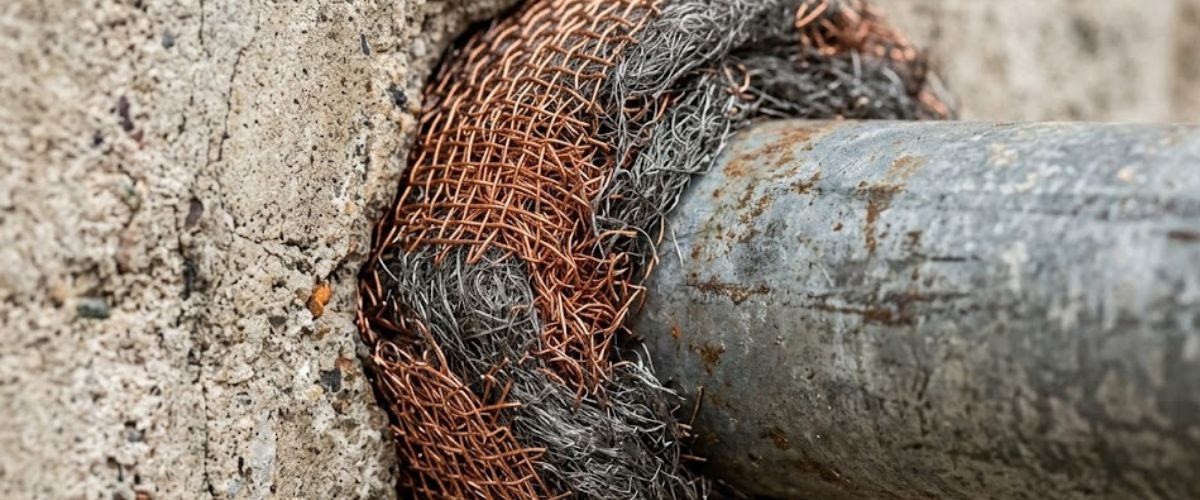
Minor gaps sealed during the visit with materials on hand, copper mesh, caulk, and hardware cloth for standard penetrations and vent repairs.
Station maintenance
Exterior bait stations rebaited and checked if already installed. New station placement recommended if not in place.
Written report
Findings, on-site work completed, and any follow-up recommendations. Provided same-day.
Pricing
| Service | Typical range | Notes |
|---|---|---|
| Single seasonal prevention visit | $175–$325 | Inspection + on-site minor sealing + station maintenance + written report. |
| Fall + spring (both windows) | $300–$550 | Both visits scheduled at booking. Slight discount vs. two single visits. |
| Follow-up exclusion work (if needed) | Quoted after inspection | Any significant gaps beyond on-site minor sealing quoted separately. |
Factors that change your specific quote
- Number of seasonal visits — fall-only vs fall + spring vs full quarterly
- Scope per visit — inspection-only vs includes targeted sealing
- Property exposure — rural-edge property vs urban property affects scope per visit
- Pre-event vs post-event timing — pre-winter (Oct-Nov) and post-thaw (Mar-Apr) are highest demand
- Includes interior monitoring — adds station deployment and re-baiting
About insurance: Seasonal prevention is operational. Documentation from these visits supports any future damage claim.
Want your real number? Call (844) 635-0403 for a free on-site free seasonal plan call.
Common mistakes with seasonal rodent prevention in Chattanooga
We treat each season's visit as identical. The four seasonal visits address different pressure patterns and require different scopes. Fall visits emphasize entry-point sealing. Spring visits emphasize post-winter assessment and outdoor population management. Summer visits emphasize ongoing attractant management. Winter visits emphasize indoor monitoring and verification of fall work. Programs that deliver identical service across all four visits miss the seasonal optimization.
Skipping the visit that "feels least necessary." The summer visit often gets postponed or skipped because rodent pressure feels low. Summer is when outdoor populations grow toward their fall peak, and exclusion work done in summer is more effective than equivalent work done during pressure peaks. The visit that feels least necessary is often the one that produces the highest preventive value.
Not adjusting the schedule for property-specific patterns. Standard seasonal programs use generic timing. Properties with specific patterns (heavy October pressure from canopy adjacency, spring snake activity that follows rodent migration, summer outdoor pressure from neighbor's compost operation) benefit from customized timing. Standard timing produces standard results. Tailored timing matches the specific property's risk profile.
Letting the seasonal cadence drift over multiple years. Year one starts on time. Year two slides by a few weeks because of scheduling conflicts. Year three the program is six weeks off from optimal timing. Deliberate calendar discipline preserves the program's effectiveness over time. Annual review of scheduled visit dates against pressure cycles catches drift before it affects outcomes.
Frequently asked questions
What is the best time for seasonal prevention in Chattanooga?
Late August through mid-September for the fall window, before mast-crop season and October cold fronts. February through early March for the spring window, before breeding season and new burrow activity. The fall window is the more impactful of the two for most Chattanooga homeowners.
What does a seasonal prevention treatment include?
Full exterior entry-point inspection, on-site sealing of new gaps identified, exterior bait station maintenance, and a written report. About 45–75 minutes for a standard single-family home.
Is seasonal prevention a one-time service or the start of a program?
A genuinely one-time service, no automatic enrollment or annual commitment. Some clients use it as a standalone fall service each year. Others use it as a trial before committing to an annual program. Either approach works and we don't pressure program enrollment.
What's the difference between seasonal prevention and winter rodent proofing?
Seasonal prevention covers both pressure peaks as standalone single-visit services with inspection plus immediate exclusion work. Winter rodent proofing is a single visit exactly focused on structural exclusion sealing in the October–February window, more exclusion-intensive, usually following a fall detection visit that has already identified the gaps to be sealed.
What's the spring seasonal prevention focus in Chattanooga?
Spring prevention (March–May) focuses on three things. First: post-winter assessment, identify any entry points that opened during winter, check on previously-sealed work for integrity, address any minor incursions that occurred during cold weather. Second: breeding season interruption, outdoor populations peak in late spring. Treatment now reduces summer population pressure on properties. Third: pre-summer attractant management, coach homeowners on outdoor attractants (compost, bird feeders, garden practices) before summer creates conditions that grow outdoor populations. Spring prevention is often less intensive than fall but sets the foundation for the rest of the year.
What's the summer seasonal prevention focus?
Summer (June–August) focuses on outdoor population pressure management and pre-fall preparation. Outdoor rodent populations grow throughout summer as food availability peaks and reproduction continues. Treatment focuses on perimeter station service, monitoring of any active outdoor harborage areas, and inspection-style verification of building envelope integrity. Most importantly, summer is when fall pre-pressure exclusion work happens, sealing entry points before October pressure peak. Properties on quarterly programs usually have their most intensive seasonal visit in late August or early September rather than mid-summer.
What's the fall seasonal prevention focus?
Fall (September–November) is the highest-priority seasonal visit in Chattanooga. Focus areas: full entry-point inspection (every visible foundation gap, utility penetration, roofline vulnerability), exclusion sealing of any newly-identified openings, dormant bait station refresh and increased monitoring frequency, snap trap deployment in any spaces with prior history of activity, and pre-cold-snap building envelope verification. The October mass-migration event when outdoor rodents push toward heated buildings is intercepted by the fall visit's exclusion work. Properties that miss fall prevention usually experience winter infestations that wouldn't have happened with adequate fall preparation.
What's the winter seasonal prevention focus?
Winter (December–February) is a maintenance and verification season. Focus areas: indoor monitoring at any locations with prior pressure, verification of fall exclusion holding through cold weather (caulk cracks happen in extreme cold), interior treatment of any minor incursions that occurred during fall, and pre-spring planning conversations about the next year's prevention strategy. Winter visits are often shorter than other seasons because outdoor activity is reduced and structural envelope is stable. Properties without fall preparation often see winter become an active-treatment season rather than a maintenance season.
How often do seasonal programs visit each year?
Standard seasonal programs: four visits annually, timed at the start of each season pressure period (late February or March, late May or June, late August or September, mid-November). Some properties prefer a five-visit pattern with two visits during the September–November fall peak, one in early September for entry-point sealing, one in mid-October for post-cold-snap verification. Lighter properties (newer construction, lower-pressure neighborhoods) sometimes scale to three visits annually (spring, fall, mid-winter) without losing effectiveness. The four-visit standard is the most common balance of frequency and value.