Who should schedule a rodent prevention inspection
A prevention inspection is the right first step for Chattanooga homeowners who want to understand their property's rodent risk before an infestation starts. The most common situations:
- You've just moved into a pre-1970 home in St. Elmo, Highland Park, Fairmount, or another heritage neighborhood and want to know what you've inherited in terms of structural exposure.
- A neighbor had a rat problem and you want to know how exposed you are.
- You're preparing to sell and want to confirm rodent exclusion is complete before listing.
- You've just had a major renovation and want to confirm contractors re-sealed utility penetrations and didn't create new entry points.
- You've heard scratching in the ceiling but nothing has appeared in traps or produced visible droppings.
- You're buying a home and want an independent rodent assessment before closing.
In all these situations, a prevention inspection gives you a current, property-specific picture of your rodent exposure, not a generic estimate based on neighborhood averages.
What the inspection covers
- Exterior roofline: Soffits, fascia, ridge vents, gable vents, roof vent pipes, chimney flashing, and utility line penetrations through the roofline, the most common roof-rat entry points in Chattanooga heritage homes.
- Foundation perimeter: Foundation cracks, weep holes in block foundations, below-grade window wells, utility penetrations through the foundation wall, and the garage-to-foundation joint.
- Garage: Bottom seal condition, service door gap, utility penetrations, and the garage-to-house interior door threshold.
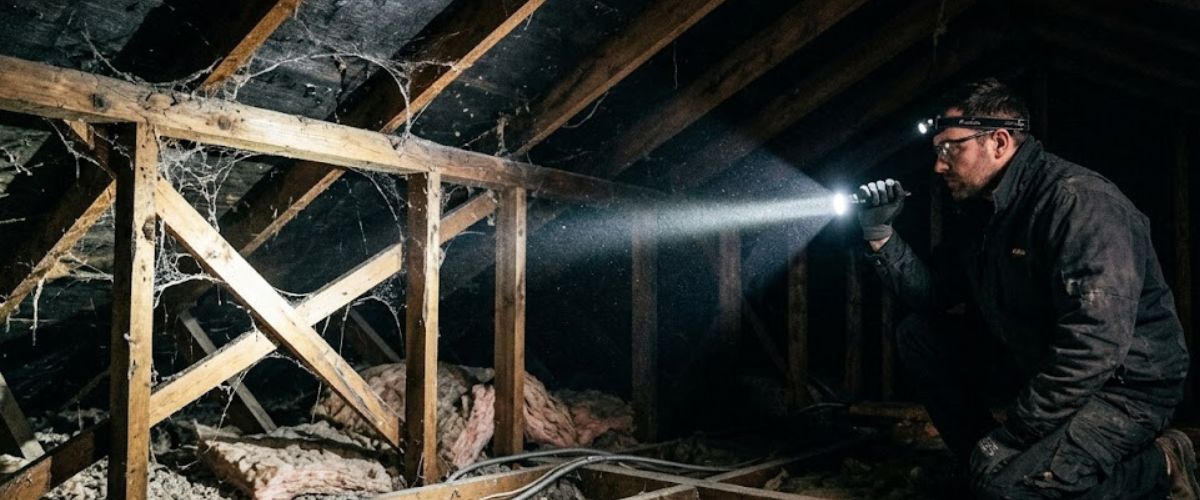
- Attic: Walk-through of accessible attic space looking for droppings, runways, gnaw marks, nesting material, and the interior face of all exterior vents and entry points.
- Crawl space or basement: Below-grade perimeter check including floor drains, sill plate gap, and foundation integrity.
- Outdoor zone: Harborage assessment, wood piles, dense ground cover, compost proximity, and bird feeder placement relative to the structure.
The written report
Every prevention inspection produces a written report delivered same-day. The report includes:
- A numbered list of every entry point identified, with location, size estimate, current status (active breach vs. potential breach), and priority level (high / medium / low)
- For each entry point: recommended cleanup material and method, and an estimated cost range
- An outdoor harborage assessment with attractant-reduction recommendations
- A seasonal risk summary based on species pressure in your specific neighborhood
- A quote for any sealing or exclusion work requested, accepted or declined independently of the inspection
Prevention inspection cost
| Scope | Cost | Notes |
|---|---|---|
| Standard prevention inspection | Free | Exterior, attic, garage, and crawl/basement walk-through. Written report same-day. |
| Pre-purchase inspection | Free | Same scope. Report suitable for real estate transaction use. |
| Exclusion sealing work (if requested) | Quoted separately | Based on entry points found. Accepted or declined independently of the inspection. |
Factors that change your specific quote
- Property size and number of structures
- Frequency of repeat inspections — annual, biannual, or quarterly schedules carry different per-visit rates
- Seasonal timing — pre-fall (Aug-Sep) and pre-winter (Oct-Nov) inspections are highest-demand windows
- Documentation format — verbal vs written summary report
- Includes minor sealing at visit — adds material cost vs inspection-only
About insurance: Routine prevention inspections are not covered. Documentation from these inspections supports any future damage claims.
Want your real number? Call (844) 635-0403 for a free on-site free first-visit inspection.
Common mistakes during prevention inspection scheduling
Prevention inspection value depends on when it's scheduled and what's done with the findings. The mistakes homeowners make tend to cluster around timing and follow-through. Five patterns recur.
We treat the inspection as the end of the work. Inspection produces a report. The report identifies issues. The issues remain unaddressed because the inspection itself was treated as the completed action. The value of the inspection is in the corrective work that follows, not in the inspection itself. Inspections that don't lead to action are documentation collection, not pest prevention.
Scheduling inspections in seasons when issues aren't visible. Dormant entry points show up best during active pressure periods. Mid-summer inspection finds fewer issues than late-fall inspection of the same property, not because the property changed, but because conditions changed. For full identification, fall (September-November) is the best window. Spring (March-April) is the second-best. Mid-summer and mid-winter inspections are less effective at finding issues.
We inspect only the property the homeowner wants inspected. Homeowners sometimes specify which areas to inspect (the attic, the basement, the kitchen) without including the full scope. Targeted inspection misses issues outside the homeowner's stated scope, and the homeowner usually only knows about issues that have become visible, missing exactly the pre-emergent issues prevention inspection is designed to catch. full scope or no inspection at all is the more useful choice.
Skipping inspections in years following major property work. A homeowner who completed full exclusion work two years ago may feel like inspection isn't needed, the work was thorough, no issues have emerged. Foundation settlement, seasonal wood movement, and new utility work in the intervening period can all create new entry points. Year-three follow-up inspection on previously-sealed properties usually identifies modest issues that are easy to address. Skipping it means the next inspection (usually triggered by an active infestation) is much more expensive.
Comparing inspection reports across pest control contractors. Different contractors use different inspection methodologies and produce reports of different depths. A 5-page report finding 8 items isn't necessarily inferior to a 25-page report finding 25 items, the question is whether the 5-page report missed real issues or whether the 25-page report inflated scope. Direct comparison of inspection reports without understanding methodology can lead to selecting the wrong contractor based on appearance rather than substance.
Frequently asked questions
What's included in a rodent prevention inspection?
Full exterior walk-through (roofline, soffits, vents, foundation, utility penetrations), interior attic and crawl space/basement check, and a written report naming every entry point with risk level, recommended cleanup, and estimated cost. Free. Exclusion work quoted separately if requested.
How is a prevention inspection different from a regular inspection?
A regular inspection responds to active signs. A prevention inspection is proactive, identifying structural vulnerabilities before any infestation develops. Both cover the same physical areas but with different contexts and recommendations.
When is the best time to schedule in Chattanooga?
Late August is optimal, before fall mast-crop season and October cold fronts. Entry points found can be sealed before peak pressure arrives. Early spring (February–March) is the second-best window.
Do you find things homeowners don't expect?
Frequently, roofline entry points invisible from the ground (soffit-fascia gaps, deteriorated ridge vent screens) and early attic activity signs that hadn't yet generated audible noise in the living space are the most common surprises.
What time of year is best for a Chattanooga rodent prevention inspection?
Late August through early October. Pre-fall scheduling means identification of entry points and exclusion work can be completed before the October cold-pressure peak when rodents press hardest against building envelopes. Inspections done in November or December often catch issues that have already begun, turning prevention into early-stage treatment. Late spring (April–May) is the second-best window for catching issues that survived winter or developed during cold weather. Mid-summer inspections are useful but less time-critical.
How is a prevention inspection different from an entry point detection service?
Different scope and depth. Prevention inspection: full property assessment including building envelope, exterior conditions, attractants, harborage, drainage, and structural elements that affect rodent risk, produces a holistic risk assessment with prioritized recommendations. Entry point detection: focused inventory of specific rodent-passable openings with photo documentation and cleanup scope, produces an actionable sealing punch list. Prevention inspection is broader and earlier in the homeowner's decision process. Entry point detection is narrower and usually immediately precedes sealing work.
What kinds of findings surprise homeowners most often?
Five recurring surprises. Soffit-to-fascia gaps invisible from the ground but obvious from inside the attic. Foundation cracks behind landscaping or below grade where homeowners don't routinely inspect. Roof penetrations (plumbing vents, HVAC penetrations, ridge vents) with deteriorated boots or flashing visible only from rooftop. Garage attic openings where the garage ceiling doesn't actually seal to the conditioned attic. Crawl space access conditions that haven't been inspected since move-in. Homeowners usually know about cosmetic issues. They often don't know about these structural rodent-relevant defects until inspection reveals them.
Do you recommend specific repairs or just identify issues?
Both. The inspection report identifies findings with severity rating, photographs, and recommended cleanup including cost estimate range. Where the cleanup is within our scope (exclusion sealing, gap sealing, vapor barrier work) we quote it directly. Where cleanup is outside our scope (roofing work, structural repair, major plumbing) we refer to specific Chattanooga area contractors we've worked with on similar projects. The goal is a complete action plan, not just a problem list.
Can a prevention inspection identify problems that aren't rodent-related?
Yes, and we report them when found. Inspections often surface issues that are technically outside our cleanup scope but materially affect the homeowner's property: roof damage from storms, moisture infiltration affecting foundation, structural settlement, HVAC system inefficiency from poor sealing, energy loss through air leaks. We note these findings in the report even though we don't fix them, the homeowner gets the information regardless of whether we're the right contractor for the repair.