Why prevention outperforms reaction in Chattanooga
The most expensive rodent problem is the one that has been running undetected for three months. By the time a Chattanooga homeowner notices active droppings in the kitchen or hears scratching in the attic every night, the infestation is usually 6–12 weeks old. Roof rats have had time to gnaw wiring and contaminate insulation. House mice have bred multiple generations. Treatment is more extensive, more expensive, and takes longer to resolve.
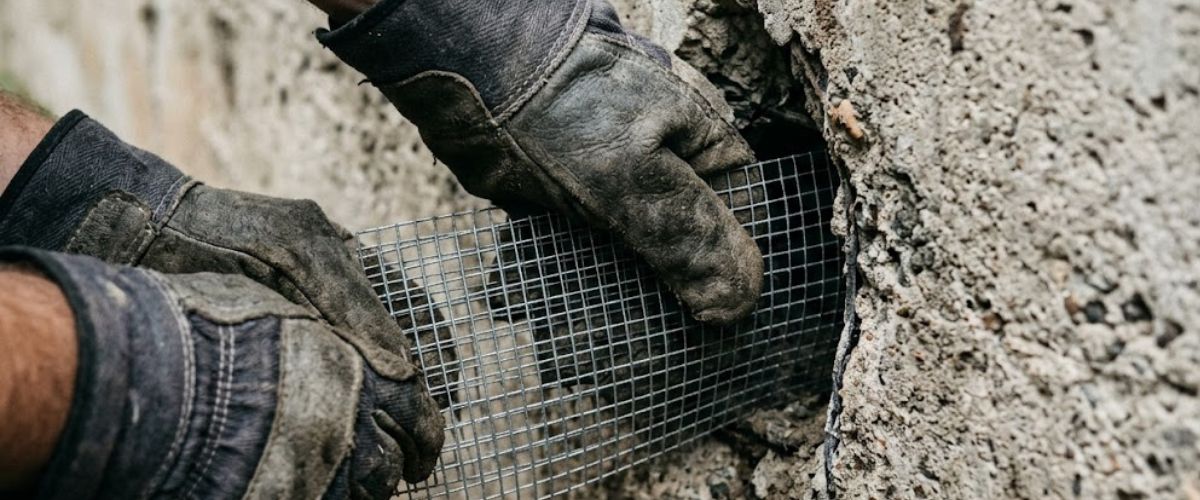
A preventative program interrupts this cycle before it starts. Two scheduled inspection visits per year, one in late summer before fall pressure peaks, one in late winter before spring breeding season, catch entry-point failures and early activity signs when they are still inexpensive to fix. A $35 section of copper mesh installed over a new soffit gap in August costs far less than the attic decontamination that follows a four-month roof rat infestation discovered in December.
Chattanooga's seasonal rodent pressure calendar
- August–September: Mast crop season begins. Roof rats move through canopy in St. Elmo, Highland Park, and Missionary Ridge as pecan and oak produce food. Pre-fall inspection window opens.
- October–November: Peak pressure month. House mice move indoors with the first cold fronts. Roof rats complete the canopy-to-attic transition. Norway rat colonies displaced by rain seek building entry.
- December–January: Indoor populations established and active. Infestations undiscovered in fall are now generating damage.
- February–March: Wintering mice begin breeding in place. Roof rats start moving back through the canopy. Pre-spring inspection window opens.
- April–May: Spring generation rodents emerge. New Norway rat burrow activity along foundations as soil warms.
- June–July: Lower pressure period. Good time for structural exclusion work before the fall cycle resumes.
What the standard preventative program includes
Fall pre-season inspection (Aug–Sep)
Attic walk-through, roofline and soffit survey, perimeter station maintenance, and on-site exclusion gap repairs where possible.
Written fall report
Entry-point status, station activity level, work done on-site, and recommendations for the coming season, provided same-day.
Spring pre-season inspection (Feb–Mar)
Foundation and below-grade perimeter, crawl space and basement check, new burrow survey, and station rebait. Freeze-thaw gap formation assessed.
Written spring report
Same format as fall, findings, on-site work, and recommendations. Attic wiring and insulation condition noted if visited.
24/7 emergency access
Program clients have direct access to the on-call line between scheduled visits. Active infestation calls prioritized for same-day inspection.
Pricing
| Program tier | Annual cost | Includes |
|---|---|---|
| Standard (2 visits/year) | $350–$550/yr | Fall + spring inspection, station maintenance, gap repairs, written reports. |
| Enhanced (4 visits/year) | $550–$850/yr | Quarterly visits. Best for ridge neighborhoods and river-corridor properties. |
| Commercial (custom) | Quoted | Frequency and scope set by property pressure and regulatory requirements. |
Factors that change your specific quote
- Property size and number of structures
- Service intensity — light maintenance (annual) vs intensive (monthly or bi-monthly)
- Includes minor sealing at visit — adds material cost vs inspection-only visits
- Single property vs portfolio — multi-property accounts get reduced per-visit rates
- Includes annual property review — written assessment of property changes year-over-year
About insurance: Maintenance programs are operational expenses, not insurance-eligible.
Want your real number? Call (844) 635-0403 for a free on-site free maintenance plan quote.
Common mistakes with preventative rodent maintenance programs
Buying the program but skipping the inspections. Preventative programs include scheduled inspections that catch issues early. Properties that defer the inspections due to scheduling inconvenience lose the program's main benefit. The two annual inspections in a typical preventative program take 60-90 minutes total, skipping them means paying for prevention while reverting to reactive treatment.
We treat the program as bug spray service. Preventative maintenance is structural exclusion plus monitoring plus targeted intervention, it doesn't include broadcast chemical application of any kind. Homeowners expecting "spray service" sometimes feel the program is underserving them, when in fact the absence of broadcast treatment is intentional and reflects current best practice. Setting expectations correctly at program enrollment prevents the misunderstanding.
We choose too low a service tier for property pressure level. Standard preventative programs are designed for average residential pressure. Properties in heritage neighborhoods, near restaurant corridors, or with prior infestation history benefit from elevated service tier or hybrid programs that combine preventative service with seasonal pressure-response work. One-size-fits-all enrollment without pressure-level assessment produces uneven results.
Letting the program lapse during property transitions. Selling a home, buying a home, switching property managers, these transitions often interrupt preventative service for months. The gap is the highest-risk window for new infestation establishment, particularly during fall pressure periods. Maintaining service continuity through ownership transitions costs nothing but takes deliberate coordination.
Frequently asked questions
What's included in a preventative rodent maintenance program?
Two inspection visits (spring and fall), exterior bait station maintenance, exclusion gap checks with on-site repair of new breaches, and written reports after each visit. Emergency call access between scheduled visits is included.
Why two inspections per year?
Chattanooga has two distinct seasonal peaks, fall (October–November) and spring (February–April). Pre-season inspections before each peak are far more cost-effective than reactive treatment after an infestation establishes.
Is a preventative program worth it if I haven't had a rodent problem?
Especially so in St. Elmo, Highland Park, Missionary Ridge, and other neighborhoods with mature canopy and pre-1970 housing stock. These properties have the access conditions regardless of past history.
How does the fall inspection differ from the spring inspection?
Fall focuses on roofline and attic entry points before peak roof-rat season. Spring focuses on the ground-level and foundation perimeter, new burrow activity after winter and foundation gaps from freeze-thaw cycles.
How is a preventative maintenance program different from regular pest control?
Different objective. Regular pest control responds to existing problems, you have rodents, we treat them. Preventative maintenance prevents problems before they start, full exclusion, structural inspection, seasonal pressure management, and ongoing monitoring that catches issues at first sign rather than at established-population stage. A homeowner on preventative maintenance who develops a problem catches it within weeks of activity beginning. The same homeowner without preventative service might not notice for 3–9 months by which time the population is established and treatment cost is 3–5x higher.
Is preventative maintenance worth it for newer Chattanooga homes?
Less critical than for older homes but still valuable. New construction (post-2000) has fewer inherent entry points but isn't immune, utility penetrations develop gaps over time, garage door seals wear, and outdoor pressure from neighboring properties or commercial corridors still affects newer homes. The cost-benefit math for newer homes usually supports annual inspection rather than monthly service. For new construction in high-pressure neighborhoods (downtown adjacency, restaurant corridors, established commercial-density areas), monthly or quarterly preventative service is still cost-justified.
What does a preventative maintenance program cost per year?
Annual costs vary by frequency and property complexity. Twice-yearly inspection plus annual maintenance visit: $400–$700 per year. Quarterly preventative program with seasonal pressure adjustment: $700–$1,400 per year. Monthly preventative program with continuous monitoring: $1,400–$3,500 per year. For comparison: a single significant rodent treatment with attic restoration runs $2,500–$15,000+. Preventative service for 5–10 years often costs less in total than one major cleanup event.
Can I do preventative maintenance myself?
Partially, with realistic limitations. Owner-doable preventative work: maintaining garage door seals, sealing visible utility penetrations, removing exterior attractants, conducting seasonal yard cleanup, replacing weatherstripping when worn. Owner-difficult preventative work: identifying entry points not visible from the ground, attic and crawl space inspection, technical exclusion work requiring material expertise, monitoring program documentation. Most homeowners do well with the visible and external portion of prevention, and professional service handles the technical and inaccessible portions. The combined approach is the most cost-effective.
How long should I stay on a preventative program after addressing an active infestation?
Minimum 18 months for confidence that the infestation didn't survive in pockets that weren't fully addressed. Most homeowners stay on preventative maintenance indefinitely after experiencing an active infestation, the experience shows the value clearly and the cost of preventative service is modest compared to cleanup. The transition point from 'recovery monitoring' to 'long-term prevention' happens around month 12–18. If no recurrence has appeared, the property is genuinely clear and preventative service shifts to maintenance mode rather than active monitoring mode.