Why new construction homes in Chattanooga are vulnerable
The assumption that a brand-new home is rodent-free is wrong more often than most new homeowners expect. Construction site activity disrupts the existing outdoor rodent populations on and adjacent to the lot, during the construction period, the partially enclosed and heated structure becomes the best available harborage in the immediate area. Rodents that entered during construction through open wall cavities, unglazed window openings, and uninstalled door frames may be resident in the wall voids before the final coat of paint dries.
Chattanooga's outer Hamilton County development corridors, new subdivisions in Ooltewah, Collegedale, East Brainerd, and the Signal Mountain and Soddy-Daisy growth areas, are built on land that was recently agricultural or wooded, with established Norway rat and house mouse populations in the adjacent undeveloped buffer zones. These populations have well-established pressure on the new construction sites before the homes are occupied.
New construction rodent program components
- Rough-in inspection (during construction): Inspection during the rough-in phase when mechanical, plumbing, and electrical penetrations are visible before insulation and drywall cover them. Identification and sealing of all unsealed utility penetrations while they're accessible. This is the highest-value inspection point for new construction, penetrations that aren't sealed here may not be accessible again without opening finished walls.
- Pre-occupancy inspection: Full exterior walk of the completed home, foundation perimeter, garage systems, utility penetrations through the exterior, and attic vent assessment. Written report of all identified gaps with sealing recommendations. Can be performed as part of the standard buyer pre-closing inspection process.
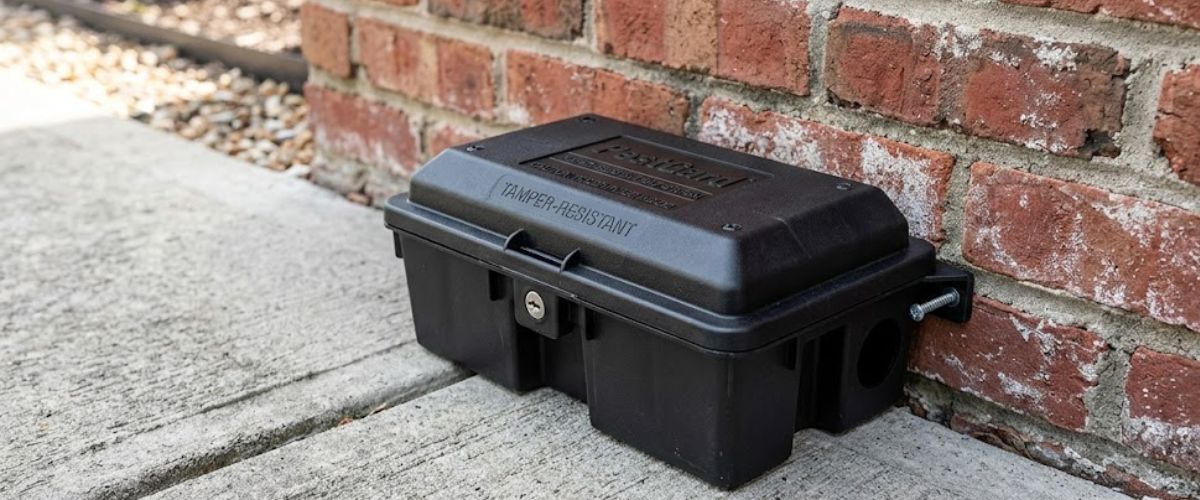
- Construction-phase exterior stations: Tamper-resistant bait stations placed on the lot perimeter during the construction period to reduce the outdoor population that will pressure the new home at occupancy. Maintained on monthly schedule and removed or converted to a residential program at occupancy.
- Builder handoff documentation: Written report of pre-occupancy exclusion gaps, suitable for inclusion in the builder warranty claim file or for presentation to the builder at final walkthrough.
- Landscape establishment guidance: Written recommendations for mulch depth, shrub placement, and ground cover choices that minimize harborage creation directly adjacent to the new foundation, the aspect of new construction site preparation that builders usually don't address.
Pricing
| Scope | Typical range | Notes |
|---|---|---|
| Rough-in inspection + penetration sealing | $200–$450 | During construction phase. Highest-value timing for utility penetration access. |
| Pre-occupancy inspection | Free | Full exterior inspection. Written report for builder or buyer use. |
| Pre-occupancy exclusion sealing | $250–$600 | All gaps identified at final inspection sealed. Quoted after inspection. |
| Construction-phase exterior station program | $150–$300/mo | Monthly lot-perimeter station maintenance during construction period. |
Factors that change your specific quote
- Construction phase — pre-drywall, pre-occupancy, post-occupancy each have different access
- Builder vs homeowner — who is paying changes documentation needs
- Builder warranty interaction — rodent issues in first 6-12 months often fall in gray area
- Pre-occupancy treatment — slab penetration sealing, garage door bottom seal verification
- Documentation — builder-format vs homeowner-format reports
About insurance: New construction issues are sometimes covered under builder warranty rather than homeowners insurance. Document everything.
Want your real number? Call (844) 635-0403 for a free on-site new-construction inspection.
Common mistakes new Chattanooga homeowners make
New construction homes feel like they shouldn't have rodent problems, they're brand new, they were just inspected, the builder hasn't even left yet. The mistakes new homeowners make stem from this assumption. Five patterns recur in the rodent calls we get from first-year homeowners in Chattanooga area subdivisions.
Assuming the builder's warranty covers rodent-related defects. Most Tennessee builder warranties cover workmanship and materials defects but exclude pest-related issues. A gap in the building envelope that admits a mouse is technically a workmanship defect (if the contractor's seal was incomplete) but rarely framed that way in claim documentation. New homeowners sometimes wait too long for builder warranty resolution on issues they could have addressed directly within weeks of move-in. The pragmatic approach: identify and address obvious gaps directly, only escalate larger structural issues through warranty.
Skipping the first-fall preventive inspection. The first fall after new construction is the highest-pressure period, surrounding outdoor rodent populations displaced during construction return as winter approaches, and the new home's untested building envelope faces its first real pressure test. Preventive inspection in September of the first year catches issues at the cheapest possible stage. Homeowners who skip this often face active interior infestations by January.
Storing moving boxes in the garage or attic for "just a few months." Cardboard moving boxes in garage and attic storage become rodent harborage within weeks. The "I'll deal with it later" pattern that's normal during move-in becomes long-term storage by year two. Either unpack within 30 days or transfer to plastic storage totes, cardboard storage in transitional spaces is consistently the highest-risk pattern in new homes.
Filling the new yard with bird feeders before establishing other prevention. First-year homeowners often want to make the new yard feel like home, bird feeders, butterfly gardens, vegetable beds, compost areas. Each is a potential rodent attractant. The combination of new outdoor attractants plus untested building envelope plus disturbed surrounding wildlife population creates ideal first-year pressure conditions. Establishing yard features gradually, with prevention measures in place, produces better long-term outcomes than enthusiastic first-year additions.
We treat the HVAC system installation as separate from pest exclusion. HVAC contractors during new construction focus on system performance and air sealing, not pest exclusion. The penetrations for HVAC equipment, through the foundation, through wall cavities, at the air handler, may meet air-sealing standards while not meeting rodent-exclusion standards. Post-move-in inspection of HVAC-related envelope penetrations often reveals gaps that need sealing.
Frequently asked questions
Why do new construction homes have rodent problems if they're brand new?
Construction-phase site disruption displaces existing rodent colonies into the partially built structure. Tradespeople leave utility penetrations unsealed as standard practice. And newly established landscaping provides ideal harborage directly adjacent to a structure with construction-phase gaps. These three factors together make new construction sites reliably rodent-attractive during the build phase.
When is the best time to schedule a new construction rodent inspection?
Ideally twice: at rough-in (when utility penetrations are visible before insulation and drywall) and at final walkthrough (pre-occupancy, exterior gaps in the finished home). The rough-in inspection catches penetrations that become inaccessible after insulation. The final inspection catches the exterior gaps that need sealing before first occupancy.
My builder says the home is built to code, does that mean it's rodent-proof?
No. Building code doesn't address rodent exclusion. A home built perfectly to code in Chattanooga usually has 10–20 unsealed utility penetrations and unscreened foundation vents. Rodent-proofing is a separate layer of work that isn't part of any builder's standard scope.
Can the builder be held responsible for rodents in a new home?
Most builder warranties exclude pest damage and cover structural defects, not pest entry. If unsealed penetrations are documented before closing and the builder fails to address them after written request, a habitability argument may apply, a legal question for a real estate attorney. Our written pre-occupancy inspection report documents gaps in a format that supports a warranty claim conversation.
What gaps are most common in newly-built Chattanooga homes?
Five gap categories appear in nearly every new construction inspection regardless of builder. Utility penetrations not sealed flush, the gap where the gas line, electrical service, refrigerant line, or low-voltage cable enters the foundation. Garage door corner gaps, even with new seals, the corners at the door frame often have visible daylight when closed. HVAC condensate drain exits, small but mouse-passable openings where condensate lines exit the building envelope. Dryer vent transitions, the gap around the rigid dryer vent where it penetrates the wall. Foundation drainage screen mesh, often missing or undersized on stem-wall foundation drainage features. Each is fixable in the first 90 days of ownership.
Should I get a rodent inspection before the builder walkthrough?
Yes, if rodent prevention is a priority. The builder walkthrough usually identifies cosmetic and major-system issues. Rodent-relevant building envelope defects rarely make the list. A pre-walkthrough rodent inspection identifies the specific gaps in your home before the warranty period starts, so the builder can address them as part of warranty work rather than as your post-warranty repair cost. The inspection report becomes a punch list for warranty submission.
How long do new construction warranties cover rodent-relevant defects?
Varies dramatically by builder and contract. Most Tennessee builders provide one-year workmanship warranties that cover the building envelope completeness, including obvious defects in sealing, weatherstripping, and penetration sealing. Two-year systems warranties cover HVAC, plumbing, and electrical including the related penetrations. Ten-year structural warranties cover foundation and major structural elements but rarely cover the small openings that produce rodent issues. Most rodent-relevant defects must be addressed within the first-year window or they become the owner's responsibility.
Are tract-built homes more rodent-prone than custom builds?
Usually yes, with caveats. Tract-built homes follow standardized construction patterns where any pattern-level gap (a particular utility penetration approach, a specific HVAC routing detail, a recurring foundation-to-wall transition) appears on every home in the development. Custom builds have more variety, but also more attention to detail in the high-end segment. The biggest predictor isn't tract vs custom, it's builder quality control and final-walkthrough thoroughness. Some Chattanooga area tract builders have excellent QC and produce well-sealed homes. Some custom builders cut corners on the invisible details.
What's the most common rodent issue in new Chattanooga subdivisions?
House mouse incursion during the first fall after move-in. New subdivisions disturb existing rodent habitat during construction, clearing, grading, foundation work, and the displaced outdoor mouse population looks for new shelter as fall cold arrives. Newly-moved-in residents experience this as 'our new home has mice in the kitchen' when actually the issue is a population displacement event. By year 3–5 the local rodent population stabilizes and pressure normalizes. First-fall preventive exclusion in new subdivisions is among the highest-ROI services we provide.