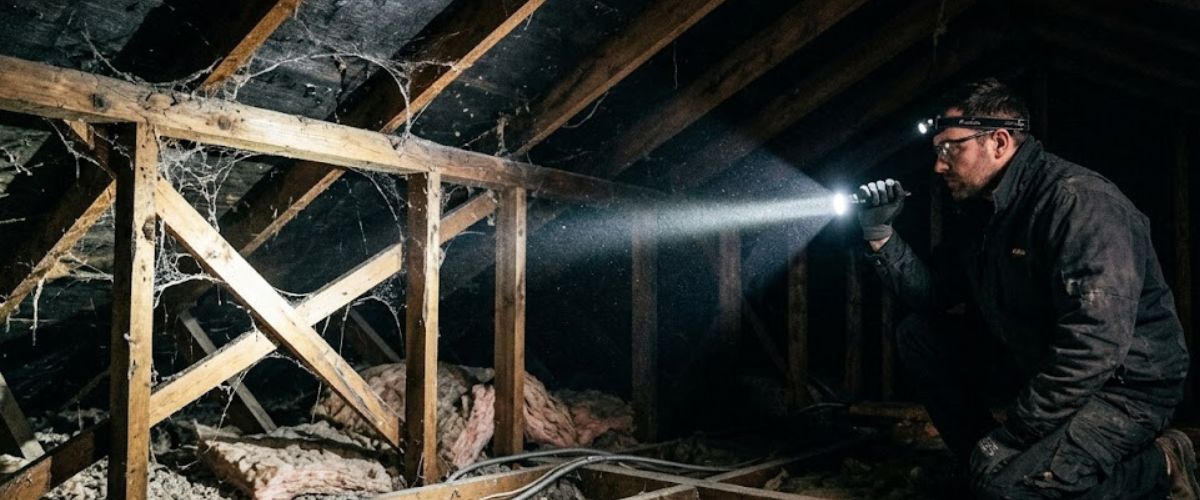
When a rodent damage inspection is needed
A rodent property damage inspection is the appropriate next step after a Chattanooga home's infestation has been resolved and before repair work begins. Jumping to repairs without an assessment risks missing damage in inaccessible areas, under-scoping contractor bids, or failing to document conditions for an insurance claim. The inspection establishes a baseline of what was damaged, where, and how severely, so cleanup is scoped correctly the first time.
The most common situations that prompt a damage inspection: a roof rat infestation that ran for multiple seasons before discovery, a Norway rat infestation that compromised a crawl space vapor barrier, a newly purchased home where the pre-purchase inspection didn't include attic or crawl space rodent damage assessment, or a home where wiring issues (tripped breakers, intermittent shorts) have been traced to an area with known past rodent activity.
Damage categories assessed
- Electrical wiring: The highest-priority damage category. Gnawed wire insulation, particularly in attic and wall cavity locations where rodents chew through romex sheathing to reach the softer wire insulation beneath, creates arcing risk. Every accessible wiring run in areas of known rodent activity is visually inspected. Gnaw damage is photographed and documented for electrician review.
- Attic insulation: Contamination extent (urine saturation, fecal loading), compression damage from rodent runways, and R-value loss. Full replacement vs. partial replacement vs. disinfection-only assessment made on-site.
- Vapor barrier (crawl space): Punctures, tears, and shredding from rodent nesting activity. Moisture infiltration from compromised vapor barrier sections identified.
- Structural wood: Floor joists, rafters, and sheathing with significant gnaw damage. Structural engineers are brought in when load-bearing members show material removal.
- HVAC ductwork: Flex duct damage in attics and crawl spaces is common in Chattanooga homes with older duct systems. Rodents nest in and on flex duct, causing punctures and insulation stripping that reduce system efficiency and allow conditioned air loss.
- Plumbing and pipe insulation: Foam pipe insulation gnawed from hot water and refrigerant lines in attics and crawl spaces. Usually cosmetic rather than structural but should be replaced to prevent condensation issues in Chattanooga's humid climate.
What the written report includes
- Damage findings listed by location (attic zone, crawl space section, wall cavity) with severity classification (minor / moderate / significant)
- Photographs of representative damage in each category
- Recommended cleanup action for each finding (repair, partial replacement, full replacement, contractor referral)
- Estimated cost ranges for each cleanup item based on current Chattanooga contractor pricing
- Priority ranking, which items are urgent (wiring, structural) vs. deferred (cosmetic insulation facing, pipe foam)
- A summary page formatted for insurance adjuster or contractor use
Pricing
| Service | Typical range | Notes |
|---|---|---|
| Standard damage inspection | Free | Attic + crawl/basement + accessible wall areas. Written report same-day. |
| Insurance-format report supplement | $75–$150 | Additional documentation formatted to insurer requirements. Call first to confirm format needed. |
Factors that change your specific quote
- Inspection scope — single-system audit (electrical only, HVAC only) vs whole-property assessment
- Documentation depth — visual inspection, photographic report, or insurance-grade itemized estimate
- Diagnostic tools — thermal imaging, moisture meters, borescope inspection for inaccessible voids
- Reporting turnaround — same-day verbal vs 48-hour written report
- Re-inspection clause — included follow-up after repair work completes
About insurance: Property damage inspection itself is generally not covered, but it produces the documentation insurance adjusters require to process rodent-related secondary damage claims (wiring, HVAC, structural moisture).
Want your real number? Call (844) 635-0403 for a free on-site inspection and written estimate.
Common mistakes during rodent damage assessment
Damage inspection is usually requested by a homeowner, a buyer, an insurance adjuster, or a property manager, each with different motivations and different patterns of mistakes. Five patterns recur across the damage inspection cases we conduct in Hamilton County.
Scheduling damage inspection before population control is complete. Inspecting damage while live rodents are still in the structure produces incomplete documentation, fresh contamination is being added during the inspection, the full scope isn't visible because nesting is still active, and the inspection has to be repeated after control completes. Damage inspection is properly scheduled at the end of treatment, not during.
Accepting only visible-area inspection. Full damage inspection requires access to attic spaces, crawl spaces, mechanical rooms, behind major appliances, and into wall cavities at access points. Inspections limited to visible living-space areas miss most damage, which means the resulting documentation is incomplete and the homeowner discovers additional damage during repair work. The access-difficulty conversation should happen during scheduling rather than as a surprise during inspection.
We use the damage inspection as a substitute for an insurance adjuster's assessment. Insurance claims have their own assessment process. The damage inspection is documentation that supports the claim, not the claim itself. Homeowners sometimes treat the damage inspection report as the basis for the claim and skip the adjuster meeting, then face coverage denial when the adjuster's independent assessment differs. Both processes have roles. Neither substitutes for the other.
We repair before documenting. Once damage is repaired, documenting the pre-repair condition becomes impossible. Homeowners eager to "get back to normal" sometimes engage repair contractors immediately and have damage assessment retroactively, which produces weaker insurance documentation and may affect coverage decisions. The proper sequence is: damage inspection with photo documentation first, then claim filing, then repair after coverage determination.
Ignoring damage in inaccessible areas during real estate transactions. Pre-purchase rodent damage inspection often discovers issues in areas the buyer's general inspector didn't access, attic insulation contamination, crawl space damage, behind built-in cabinetry. These findings are sometimes downplayed because they're "not in the main inspection report" and feel like findings beyond what the buyer is obligated to address. Tennessee real estate disclosure law treats all known material defects equally regardless of which inspection found them. Selective omission creates post-closing liability.
Frequently asked questions
What does a rodent damage inspection cover?
Attic (insulation, wiring, rafters), crawl space or basement (vapor barrier, floor joists, subfloor), accessible wall cavities, and exterior structural points. Written report identifies each damage category by location, severity, and estimated cleanup cost.
Can a rodent damage inspection be used for an insurance claim?
Yes, our written report is formatted to support insurance documentation, identifying damage by category, location, and estimated cleanup cost. Whether your insurer covers rodent damage depends on your specific policy. Contact your insurer before the inspection so we can include the documentation format they require.
How is a damage inspection different from a prevention inspection?
A prevention inspection identifies entry points before an infestation. A damage inspection is done after a resolved infestation and documents what the rodents caused, gnawed wiring, contaminated insulation, damaged vapor barriers, with estimated cleanup costs for repair contractor use.
What rodent damage is most expensive to repair in Chattanooga?
Attic insulation replacement after a multi-year roof rat infestation: $1,200–$3,500. Vapor barrier replacement in crawl spaces: $800–$2,200. Electrical wiring damage is the highest-risk finding regardless of cost and should always be assessed by a licensed electrician after any significant infestation.
How long does a rodent damage inspection take?
A typical Chattanooga residential damage inspection runs 90 minutes to 3 hours depending on home size and accessibility of the affected areas. Exterior perimeter inspection: 30–45 minutes. Attic and crawl space inspection with photo documentation: 45–90 minutes. Interior inspection of any visible damage zones: 30–60 minutes. The written report is usually delivered within 24–48 hours of the on-site inspection. Larger or more complex properties, multi-level homes, properties with multiple attic zones, historic homes with balloon framing, can extend to a half-day on-site visit.
Should I get a rodent inspection before buying a Chattanooga home?
Yes, particularly for homes built before 1980 in the heritage neighborhoods or in any home with attic or crawl space access. Standard home inspections check for visible pest evidence but don't go deep on entry points, attic insulation contamination, or wall-cavity damage. A rodent-specific inspection identifies issues that would otherwise become the new owner's responsibility post-closing. The cost (usually $250–$400) is small compared to discovering attic restoration is needed three months after move-in. We provide inspection reports formatted for real estate transactions and insurance purposes.
What does a complete rodent damage report include?
Standard report sections: executive summary (one paragraph capturing scope and severity), exterior findings (entry points identified, location-specific photos, severity rating per entry point), interior findings (active or historic activity evidence per zone), insulation assessment (contamination extent, R-value impact, replacement recommendation if applicable), structural damage (rafter, wiring, ductwork, framing damage with photos), recommended scope of work in priority order, and estimated cost range for each scope item. Each item has accompanying photo documentation. The full report usually runs 15–25 pages with 30–60 photos.
Can a rodent damage inspection be used for real estate disclosure?
Yes. Tennessee real estate disclosure law requires sellers to disclose known material defects, and historical rodent damage that affected the structure or major systems is usually disclosable. A documented inspection establishes the facts at the time of sale, protecting both the seller (against post-closing claims of undisclosed damage) and the buyer (clear documentation of what they're acquiring). For attorneys handling Chattanooga area real estate closings, the inspection report serves as documentation alongside the standard property condition disclosure.
What's the difference between a rodent inspection and a general pest inspection?
A general pest inspection (often a WDIR or pest letter) is termite-focused, surveys for general pest evidence, and is designed for VA/FHA loan compliance, it's a high-level visual survey. A rodent damage inspection is rodent-specific, goes deep on entry-point inventory, contamination assessment, and structural damage, and produces a cleanup-grade report. The general pest inspection might note 'rodent activity observed' as a single line. The rodent damage inspection generates 15 pages of documentation about that activity. They serve different purposes, both have value, but they don't substitute for each other.