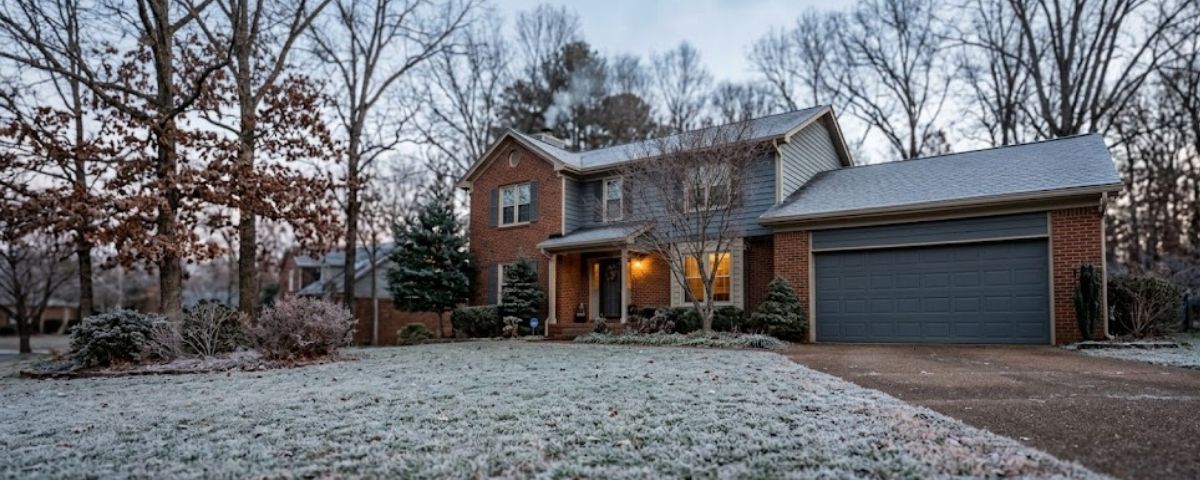
The October cold-front trigger
House mice in Chattanooga don't move indoors gradually, they move with the cold fronts. The first sustained cold front of the season, which usually arrives in the first or second week of October, triggers a city-wide house mouse migration toward heated structures. This event is consistent enough year to year that it's the most predictable single rodent event in Hamilton County's calendar.
What makes it predictable is also what makes it preventable. If the entry points a mouse would use to enter your home are sealed before the cold fronts arrive, the mice that press against your exterior in October find no gap to enter through. The entire cold-season infestation, the kitchen droppings, the wall scratching, the chewed wiring, doesn't happen. This is the prevention window that matters most: late August through mid-September, before October arrives.
How house mice actually enter Chattanooga homes
House mice need only a ¼-inch gap, the diameter of a pencil. That gap can be anywhere on the exterior. But in practice, mice enter through a short list of predictable locations:
Garage door bottom seal. The most common mouse entry point in Chattanooga suburban homes. The rubber seal at the base of the garage door develops gaps at the corners and center after 3–5 years in Chattanooga's humid climate. A gap of ¼ inch at the corner of a closed garage door is all a house mouse needs. Inspect yours: if you can see daylight at the corners when the door is closed, mice can enter. See garage rodent control for seal replacement options.
Utility penetrations. The gap around the gas line, electrical conduit, plumbing, HVAC refrigerant line set, and dryer vent where each passes through an exterior wall or foundation. Original foam caulk around these penetrations in older Chattanooga homes has usually cracked, shrunk, or fallen out, reopening ¼ to ½-inch gaps. Copper mesh plus fresh caulk closes these reliably.
Foundation sill plate gap. The gap between the top of the foundation wall and the bottom of the first-floor framing is a consistent mouse entry point in all pre-1980 Chattanooga construction. Mice that enter at ground level through this gap move up into wall voids and from there into the living space above.
Under sink and plumbing cabinet gaps. The cutout in cabinet floors for drain and supply lines almost always has a gap around the pipes. Mice that have entered the wall cavity from outside enter the kitchen through this gap. A quick inspection with a flashlight under every sink identifies gaps that should be packed with copper mesh.
What to do if mice are already inside
If you're finding droppings in October or November, the mice are already in. At this stage, prevention alone isn't enough, you need to combine trap placement (to remove the mice now inside) with exclusion sealing (to prevent new ones from entering as you trap the existing population).
Exclusion sealing without interior trapping is a mistake: sealing the entry points while leaving mice inside traps them inside the wall voids, where they die, create odor problems, and may attract other pests. The correct sequence is: snap traps set first, then exclusion sealing after the interior population is controlled.
Snap trap placement for house mice: against the wall where droppings are concentrated, perpendicular to the wall, with the trigger facing the wall surface. Peanut butter is reliable bait. Check and reset every 2–3 days. A single mouse generates 50–75 droppings per day, if you're finding that volume, you likely have more than one mouse already inside.
If you're not comfortable managing interior trapping yourself, a professional snap trap program combined with a full winter exclusion visit resolves the situation in 2–4 weeks for most homes.
The winter prevention checklist for Chattanooga homeowners
- August–September: Schedule a prevention inspection. Seal all identified entry points before October.
- September: Inspect garage door bottom seal. Replace if gaps are present at corners or center.
- September: Check under all kitchen and bathroom sinks. Pack any pipe penetration gaps with copper mesh.
- October (if cold fronts have arrived): Do a perimeter walk during daylight. Look for new gap formation at foundations, utility penetrations, and garage service doors.
- October (if mice are already inside): Set snap traps in the areas with droppings. Call for inspection to identify entry points and seal them.
- November–January: Check traps weekly if set. Continue monitoring. A single season of thorough exclusion greatly reduces future seasons' pressure.
What to do right now this winter
If you've seen mouse droppings: Action this week. Mouse populations can double monthly during winter indoor conditions. Waiting until spring means the population you address will be 4-8 times larger than the population you'd address now. The treatment cost difference between "minor activity caught early" and "established infestation requiring weeks of trapping" is usually 3-5x.
If you've heard scratching but not seen droppings: Inspection within 2 weeks. Audible activity at night usually means the population is in walls or attic, not in living spaces yet, but established somewhere. Identifying the source location lets treatment target it directly rather than guess.
If pets are showing unusual hunting behavior: Investigation within a few days. Cats focused on specific wall areas or HVAC vents, dogs barking at locations they previously ignored, these behaviors often show rodent activity homeowners haven't yet detected directly. Pets often know before homeowners do.
Don't seal entry points yet if interior activity is present. Sealing the building with mice inside traps them. They chew through drywall, ductwork, and weatherstripping looking for exit paths. The proper sequence: interior trapping to verified zero activity, then exterior sealing. Sealing first is among the most common winter prevention mistakes.
Set traps before considering rodenticide. Snap traps in interior spaces produce predictable carcass locations and avoid the "dead mouse in wall" odor problem that rodenticide use often creates indoors. Reserve bait for exterior tamper-resistant stations where carcass location isn't a concern.
Address the pressure source after the interior is clear. Garage door bottom seal replacement, foundation gap sealing, utility penetration sealing, and any roof-level entry points get addressed once the interior is verified clear. The work is straightforward. The sequencing matters.
Same-day rodent control across Hamilton County
Call now — We’ll schedule the inspection while you’re on the phone.