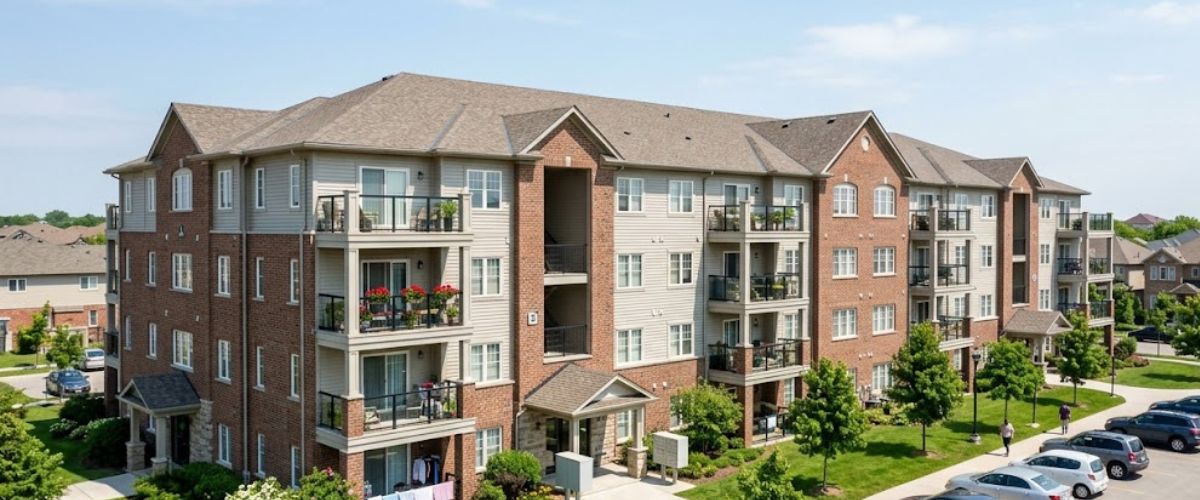
Storage facilities and rodent pressure in Hamilton County
Self-storage facilities are among the most rodent-attractive commercial properties in Chattanooga, and among the most overlooked for active pest management. The combination of dense cardboard, upholstered furniture, and occasional food residue spread across dozens to hundreds of units creates a distributed food and nesting resource that sustains large Norway rat and house mouse populations in facility perimeter areas. The long periods between tenant unit access mean that infestations develop for weeks or months before anyone notices.
Chattanooga's self-storage corridor along Hixson Pike, the East Brainerd area near Hamilton Place, and the commercial strips along Brainerd Road and Highway 58 all have facility-level rodent pressure that originates in the outdoor perimeter and moves inward through roll-up door threshold gaps and exterior wall penetrations. Facilities without active pest management programs have consistently higher unit damage claims and tenant turnover related to pest complaints than facilities with documented ongoing programs.
Individual tenant vs, facility-level programs
- Individual unit protection: When a tenant has stored items in a facility without active management and wants protection for their specific unit, snap traps inside along wall junctions, exterior station near the unit door, threshold gap assessment and seal. Provides protection for the unit but doesn't address the facility-wide pressure source.
- Facility-level program: The effective approach, full-perimeter exterior station coverage, interior common-area snap traps, dock-door threshold survey across all units, monthly or quarterly maintenance with service documentation. Reduces pressure at the source rather than defending individual units against a sustained population.
Prevention for individual unit tenants
- Store all food, pet food, and birdseed in sealed metal or hard plastic containers, not cardboard boxes
- Avoid storing upholstered furniture without breathable covers. Rodents nest in accessible foam
- Inspect stored boxes for rodent gnaw damage or droppings at every access visit
- Report roll-up door threshold gaps to facility management, a gap under a roll-up door is the primary entry point for house mice into individual units
- Request the facility's pest control service documentation, any reputable facility should be able to show service records
Pricing
| Scope | Typical range | Notes |
|---|---|---|
| Individual unit treatment | $125–$250 | Inspection, snap traps, threshold assessment. |
| Facility inspection + program design | Free | Full property walk-through. Written program recommendation. |
| Facility monthly program | $200–$500/mo | Perimeter stations + common area traps + service documentation. |
Factors that change your specific quote
- Number of units to be serviced — single unit vs full facility
- Unit construction — corrugated metal vs masonry vs wood-frame each have different exclusion needs
- Tenant items susceptibility — what is being stored affects damage potential
- Adjacent unit activity — rodent pressure spreads quickly through shared wall voids
- Facility-wide program vs unit-only — facility programs get per-unit reduced rates
About insurance: Storage unit rodent control is operational. Tenant policies sometimes cover rodent damage to stored goods.
Want your real number? Call (844) 635-0403 for a free on-site facility-wide assessment.
Common mistakes with Chattanooga self-storage rodent management
Storing fabric items without rodent-resistant containers. Mattresses, upholstered furniture, fabric storage, and bedding accumulate moisture, retain warmth, and provide nesting material, the trifecta for rodent harborage. Long-term storage of fabric items requires either climate-controlled units or rodent-rated containers regardless of unit climate. Standard cardboard storage of fabric items produces inevitable damage on long-term leases.
We inspect the unit only at move-out. Tenants who visit their unit infrequently, every 6+ months, often discover damage at the next visit that's been accumulating for the entire intervening period. Quarterly tenant visits to long-term storage detect issues at early-stage activity level rather than at established-population level.
Storing residential pest control products in self-storage units. Tenant-supplied bug spray, ant bait stations, and rodent control products stored in personal units create contamination risk if containers leak or fail. Most facility leases prohibit hazardous material storage, including consumer pesticide products. Removing personal pest control products from stored inventory eliminates the issue.
We treat the facility as responsible for unit-level pest control. Facility-level pest management covers common areas and building envelope. Individual unit contents are the tenant's responsibility. Tenants who assume the facility's program covers their items face uncovered losses if rodent damage occurs. Renter's insurance or stored-property endorsements on homeowner's policies are the appropriate coverage. Facility liability usually doesn't extend to unit contents.
Frequently asked questions
What attracts rodents to self-storage units?
Food residue in stored items (kitchen goods, pet food, birdseed, food-scented packaging), upholstered furniture providing nesting material, cardboard boxes, and climate-controlled facility warmth in winter. Once one unit has an attractant, rodents explore adjacent units through roll-up door threshold gaps and shared wall penetrations.
Am I responsible for rodent control in my rented unit?
Most storage lease agreements make tenants responsible for unit contents, limiting facility liability for pest damage. If the infestation originated from facility common areas, a facility duty-of-care argument may apply under Tennessee premises liability standards. We can document activity and apparent source for insurance claims or lease disputes.
How do you treat a storage unit for rodents?
Individual units: snap traps inside along wall junctions (with tenant permission), exterior station near the door, and threshold gap assessment. Facility-level: full-perimeter exterior stations, interior common-area traps, all dock-door threshold assessment, and a station map for maintenance records.
What does storage unit rodent control cost in Chattanooga?
Individual unit treatment: $125–$250. Facility monthly program: $200–$500/month depending on size and station count. Facility programs quoted after the property walk-through.
What kind of items shouldn't be stored in self-storage units in Chattanooga?
Five categories most likely to attract rodent attention. Pet food, birdseed, and other animal feeds, even sealed bags get chewed for content. Cardboard-boxed items left long-term, boxes become nesting material and signal harborage. Holiday decorations with edible components (popcorn garlands, ornaments with seed content). Outdoor power equipment with residual fuel and rubber components (lawn mowers, weed eaters), rubber lines and seat material are common chew targets. Furniture with food residue (couches with crumbs, mattresses), particularly mattresses, which provide both nesting material and access. Stored upright with plastic bins is dramatically safer than cardboard-boxed flat storage.
Who is responsible for rodent damage to items in self-storage?
Tennessee storage rental agreements usually place item-protection responsibility on the renter. Most facility insurance covers building damage but not contents, contents are renter's responsibility through either renter's insurance, homeowner's insurance with stored-property endorsement, or specific tenant insurance policies sold by storage facilities. The facility is responsible for maintaining the building envelope and providing reasonable pest control of the property usually. Specific unit contamination from a single unit's contents is usually that renter's responsibility. Read the rental agreement before assuming coverage.
How does rodent control work in indoor climate-controlled storage versus drive-up?
Different protocols for different facility types. Indoor climate-controlled facilities: continuous interior monitoring devices, sealed building envelope reduces outdoor pressure greatly, treatment focuses on any food-related attractants from individual units. Drive-up outdoor units: exterior perimeter station program along facility property boundary, individual unit access for treatment when needed, treatment of common areas (loading dock, dumpster pad, fence line). Indoor facilities usually have lower rodent pressure overall but contamination spreads faster between units when it does occur. Outdoor facilities have higher pressure but better isolation between units.
Should I get rodent inspection before signing a long-term self-storage lease in Chattanooga?
If storing high-value or irreplaceable items, yes. A 15-minute walk-through with the facility manager, checking for signs of activity in unit, surrounding units, and common areas, costs nothing and identifies whether the facility has active rodent issues before you commit. Specific things to ask: when was the last documented pest control service, what's the facility's pest management program, has the building envelope been inspected in the past 12 months. Facilities that can't answer these questions concretely are higher-risk choices for high-value storage.
What does facility-wide rodent control cost for self-storage operations in Chattanooga?
Highly variable by facility size. Small facilities (50–150 units, single building): monthly service usually $200–$500. Medium facilities (150–400 units, multiple buildings): $500–$1,500 monthly. Large facilities (400+ units, climate-controlled and drive-up combination): $1,500–$4,000+ monthly. Programs include perimeter station service, common-area treatment, individual unit access for tenant-reported issues, and documentation suitable for facility insurance and management reporting. Compared to the revenue loss from a single tenant-content claim, facility-wide programs are usually cost-effective for any facility with more than 50 units.