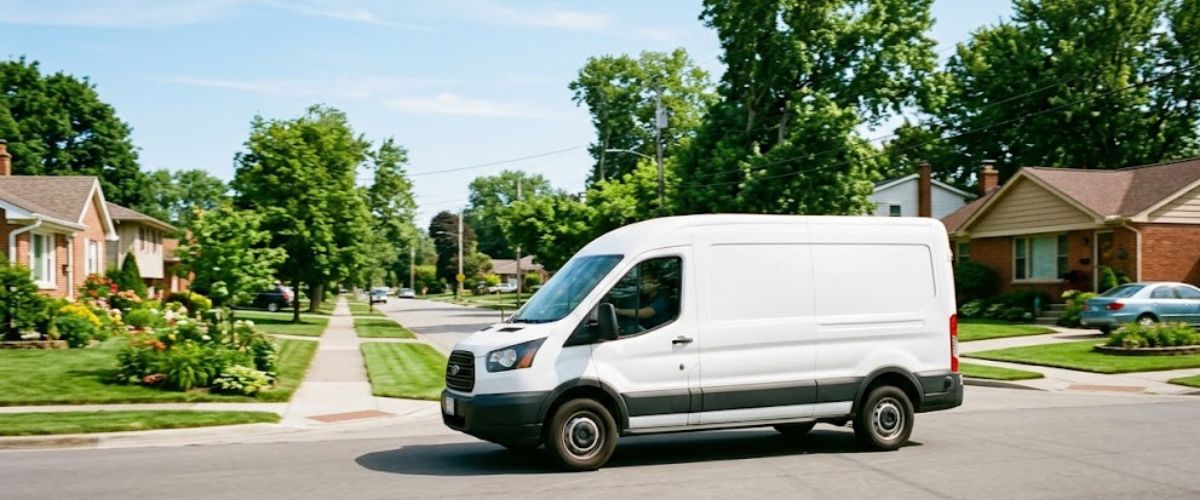
The secondary-poisoning risk in Chattanooga pet households
Chattanooga's suburban-to-rural interface creates a higher secondary-poisoning risk for pets than purely urban environments. Dogs and cats in neighborhoods with mature tree canopy, St. Elmo, Highland Park, Missionary Ridge, North Chattanooga, have outdoor access in areas where both roof rats and Norway rats are active. A dying or recently dead rodent that has consumed bait is easy to find, carries toxin at dangerous levels, and looks like any other animal a curious dog or cat might investigate and consume.
The risk isn't limited to conventional residential bait programs. Neighboring properties, commercial facilities nearby, and even landscaping companies that place rodenticide without disclosure can create secondary-poisoning exposure for pets on adjacent properties. If your pet has outdoor access, the safest approach is a program that eliminates rodenticide from your own property and creates a buffer through exclusion.
Pet-safe methods, what we use
- Snap traps (indoor and outdoor): Snap traps cause instantaneous death and leave no chemical residue in the rodent's tissue, eliminating secondary-poisoning risk entirely. Outdoor snap traps are placed inside tamper-resistant protective boxes (so pets can't trigger them directly) and positioned in pet-inaccessible locations.
- No-rodenticide indoor treatment: Zero rodenticide bait inside the home or in any area where pets have access. Interior treatment is exclusively snap traps in non-pet-accessible locations (inside walls, behind appliances, under crawl space access panels).
- Tamper-resistant exterior stations (limited use): For the exterior perimeter, tamper-resistant stations can be used in areas where pets don't have physical access, under deck overhangs, inside fence line recesses, against foundation sections blocked by equipment. We assess your specific yard and pet patrol patterns before placing any exterior bait station.
- Exclusion sealing (primary solution): The most pet-safe approach long-term: sealing the building so rodents can't enter eliminates both the infestation and any need for ongoing treatment. A sealed home doesn't need perimeter bait stations, removing the source of secondary-poisoning risk permanently.
Pricing
| Service | Typical range | Notes |
|---|---|---|
| Pet-safe inspection | Free | Yard assessment, pet patrol mapping, program recommendation with no-rodenticide options. |
| Indoor snap trap program | $225–$450 | No rodenticide. Interior snap trap set + follow-up visits. |
| Exclusion sealing | $300–$1,400 | The permanent pet-safe solution. Quoted after entry point detection. |
Factors that change your specific quote
- Pet count and species — dogs, cats, birds, reptiles each have different risk profiles
- Treatment method restrictions — most pet-safe programs are trap-and-exclusion only
- Station placement — tamper-resistant stations in pet-accessible areas
- Family communication — coordination with all household members about treatment
- Follow-up frequency — pet-safe programs sometimes require more visits since no residual rodenticide
About insurance: Pet-safe rodent control is operational. Pet injury from rodenticide exposure is a separate (and serious) issue that pet insurance sometimes covers.
Want your real number? Call (844) 635-0403 for a free on-site pet-safe program consultation.
Common mistakes with pet-safe Chattanooga rodent control
Assuming tamper-resistant means tamper-proof. Tamper-resistant stations are designed to prevent casual access. Determined animals (large dogs, raccoons, persistent cats) can sometimes defeat them given enough time and motivation. Multi-pet households with curious or destructive animals benefit from supplemental measures, anchoring stations to immovable points, placing them in protected locations, scheduling more frequent inspection visits.
We use rodent-baited glue boards in pet-accessible areas. Glue boards trap any animal that contacts them, including small dogs, kittens, and birds. Removal of an animal from a glue board requires specific solvents and produces stress and potential injury. Glue boards have a place in commercial sanitation programs but shouldn't be used in households with pets or children regardless of the placement.
Switching to "natural" products without evaluating efficacy. Some products marketed as pet-safe (peppermint sprays, granular deterrents, ultrasonic devices) lack documented efficacy on Chattanooga's specific rodent population. The pet-safety claim may be accurate while the rodent-efficacy claim isn't. Pet-safe with proven efficacy (snap traps in protective housing, EPA-registered exterior bait in tamper-resistant stations, mechanical exclusion) is the right combination.
Frequently asked questions
What is secondary poisoning and how does it affect my pets?
Secondary poisoning occurs when a pet eats a rodent that consumed anticoagulant bait. Second-generation anticoagulants (brodifacoum, bromadiolone) accumulate in tissue and remain toxic for days after the rodent dies. A dog or cat that eats a poisoned rat can develop internal bleeding, lethargy, pale gums, and death. Pet-safe rodent control eliminates this pathway by removing rodenticide from the treatment entirely.
Are tamper-resistant bait stations really safe around dogs?
They reduce direct bait access, but not secondary-poisoning risk from rodents that die after consuming bait. A dog that finds a dying rodent outside the station can still be exposed. If your dog actively patrols the yard or investigates animal carcasses, a no-rodenticide program is safer than a tamper-resistant-station program.
Is pet-safe rodent control as effective as conventional treatment?
Yes, when the exclusion component is done completely. Snap traps combined with thorough structural sealing produce results comparable to conventional programs. The durability of exclusion means the program doesn't depend on ongoing chemical management.
My vet thinks my dog was exposed to rodenticide. What do I do?
Contact your vet or emergency animal hospital immediately. Anticoagulant toxicity usually presents 3–5 days after exposure, lethargy, pale gums, labored breathing, or visible bleeding. Vitamin K1 treatment is effective if started promptly. Call us if you suspect rodenticide was placed on or near your property, we can assess the situation.
How do you handle rodent control in homes with cats that hunt?
Three adjustments to standard protocol. Interior snap traps are placed inside protected housing (small enclosed boxes with cat-proof entry openings) so cats can't reach or trigger them. Exterior bait stations remain tamper-resistant standard, designed to exclude cats by physical access design. Cat-hunted rodents present a secondary-exposure question: a cat that catches a rodent that consumed our exterior bait could theoretically receive a small dose, but the dose is below clinical significance because of how bait stations are designed and how cats interact with stations. For households where this is a concern, we shift to exterior snap-trap-only programs that eliminate any chemical pathway.
What's the protocol if my dog actually does ingest rodenticide bait?
Emergency veterinary contact immediately. Chattanooga emergency vet contacts are Animal Emergency & Specialty Center of Chattanooga and Veterinary Care and Specialty Group. Call ASPCA Animal Poison Control at 888-426-4435 (small fee may apply) for product-specific guidance while en route. Bring the bait product packaging if available, different anticoagulants have different treatment protocols. Vitamin K1 therapy started within 12 hours of ingestion has high success rates. Delays beyond 24 hours greatly increase risk. Most exterior bait products from professional pest control use designs that make ingestion difficult, actual ingestion incidents are rare.
Are ultrasonic rodent repellers safe and effective for pet households?
Safe yes, effective no. Ultrasonic devices marketed for rodent control consistently fail to show efficacy in controlled studies. Federal Trade Commission has issued warnings to manufacturers about deceptive efficacy claims. They're safe for pets because the ultrasonic frequencies are above mammalian hearing thresholds, but the same fact means they don't deter rodents either. Our recommendation: skip ultrasonic devices entirely. Use the budget for actual exclusion work or pet-safe trapping instead. The 'safe for pets' marketing has confused many homeowners into treating ineffective devices as a solution.
Do you offer rodent control programs exactly designed for households with multiple pets?
Yes. Multi-pet households (3+ dogs, breeding kennels, multi-cat households, households with both dogs and cats with outdoor access) get a strict no-rodenticide protocol regardless of station design. Exterior trapping uses snap traps in tamper-resistant housings sized to exclude cats but allow rodent access, different sizing from standard. Interior treatment uses enclosed snap traps in cat-inaccessible locations. Documentation includes specific notation of pet-household protocol for any future service visit. Most large-pet-household clients run quarterly programs with seasonal pressure adjustment.
What about ferrets, rabbits, guinea pigs, and other small pets?
Higher caution category than dogs and cats because of body size and metabolism. Small mammals face severe risk from minimal rodenticide exposure, a guinea pig or rabbit that contacts dried bait residue or grooms after exposure can require emergency treatment for doses that would be subclinical in a 30-pound dog. Households with small pets get no-rodenticide protocols by default and stricter station placement guidelines that account for ferrets investigating exterior stations. Most small-pet households use interior-only treatment with exterior monitoring rather than active exterior baiting.