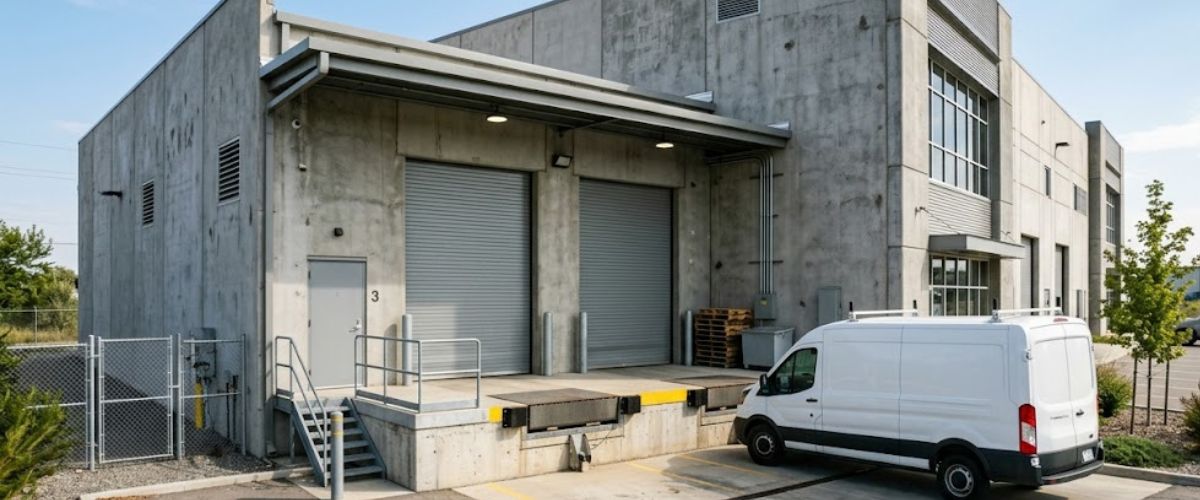
Why office buildings in Chattanooga need a structured rodent program
Office buildings present a specific rodent control challenge: the spaces where rodent activity originates, mechanical rooms, loading docks, trash rooms, and break rooms, are shared among tenants, which means a single-tenant treatment approach is structurally ineffective. A rodent accessing the building through the ground-floor loading dock can reach any floor through utility chases and elevator shafts. The control program has to operate at the building level, not the tenant level.
In Downtown Chattanooga, office buildings along the Tennessee Aquarium corridor and the Broad Street office district face consistent Norway rat pressure from the waterfront and from the restaurant-corridor food waste that sustains large outdoor colonies. Buildings in the Southside tech corridor and the North Shore face similar conditions. A documented monthly or quarterly program keeps activity at manageable levels and provides the service records needed for building management compliance audits.
What the office building rodent program covers
- Loading dock and service entry: Tamper-resistant bait stations at all loading dock perimeter points. Door sweep assessment on all service entries. Dumpster enclosure treatment if applicable.
- Ground-floor common areas: Mail rooms, lobby back-of-house, janitorial closets, and ground-floor mechanical spaces. Snap traps in non-public areas. No bait in common-access spaces.
- Break rooms and kitchen areas: Snap traps behind appliances and in under-sink cabinets. No bait in food-preparation or food-storage areas. Grease trap check if applicable.
- Mechanical and utility rooms: Snap traps along wall junctions. Utility penetration gap check, HVAC, plumbing, and electrical runs through fire walls are common rodent travel corridors in commercial buildings.
- Exterior perimeter stations: Foundation-perimeter bait stations at 20–30 foot intervals. Additional stations at all utility entry points and landscaped areas adjacent to the building.
- Roof and rooftop equipment: Rooftop HVAC units and utility runs are roof-rat entry points on multi-story buildings. Inspection and exclusion assessment included in annual program reviews.
Program structure and scheduling
Initial assessment
Full building walk-through with facilities contact. Activity zones mapped, priority entry points identified, program frequency recommended. Written assessment provided.
Setup visit
Interior trap placement, exterior station installation, utility penetration gap sealing of primary entry points. Setup map provided for facilities files.
Scheduled service visits
Monthly or quarterly visits at agreed times, usually before building hours. Trap check, station rebait, activity log entry, entry-point spot-check.
Service documentation
Dated service report after every visit. Facility binder maintained on-site. Email copy to facilities contact within 24 hours.
Annual program review
Full building re-inspection annually. Program intensity adjusted to current pressure level. Structural exclusion recommendations updated.
Pricing
| Program | Typical range | Notes |
|---|---|---|
| Initial assessment | Free | Full building walk-through + written program recommendation. |
| Setup + first treatment | $350–$700 | Trap installation, station placement, primary gap sealing. |
| Monthly program | $200–$500/mo | Based on building size and pressure level. Quoted after assessment. |
| Quarterly program | $250–$600/visit | 4 visits/year. Lower-pressure buildings. |
Factors that change your specific quote
- Building square footage and occupancy
- Service scope — common areas only vs full tenant suite access
- Service frequency — monthly common for office buildings
- Documentation — tenant-format vs property-management-format reports
- Multi-tenant coordination — scheduling around tenant operations
About insurance: Office building rodent control is operational. Coverage for tenant-affecting issues sometimes covered under property liability.
Want your real number? Call (844) 635-0403 for a free on-site property-wide program quote.
Common mistakes Chattanooga office building managers make
Office building rodent issues rarely start with a dramatic incident. They start with a tenant complaint that gets dismissed, a service contract that wasn't renewed, or a delivery dock door that stayed propped open one too many times. Five patterns drive most of the office building incidents we respond to in the Hamilton Place corridor, Downtown, and along the I-75 office parks.
We treat one floor's complaint as that floor's problem. A tenant on floor four reports a mouse sighting. Building management arranges treatment of suite 412 and considers the matter resolved. Mice travel through HVAC chases, electrical risers, and shared plumbing penetrations, a sighting on floor four often means the population is established in the mechanical room on floor one and has been moving upward through the building's vertical chases for weeks. Single-suite treatment without building-systems inspection produces recurring complaints.
Letting the cleaning contractor's bait station program lapse. Many Chattanooga office buildings inherit pest control as a line item in the janitorial contract, exterior bait station service performed by the cleaning crew at low frequency, often quarterly or less. Bait that hasn't been refreshed in 90+ days has degraded attractant and reduced active ingredient potency. Stations need monthly service to function as designed. Cleaning-contractor pest programs usually don't meet that bar.
Ignoring the loading dock during the property walkthrough. Property managers regularly walk lobbies, common areas, and amenity spaces but rarely walk the loading dock, dumpster enclosure, or trash compactor area. These are the highest-pressure rodent zones on most office properties and the leading entry-point sources. Quarterly inspection of the back-of-house service areas catches issues months before they affect tenant-facing space.
Refusing roof-top inspection access. HVAC equipment platforms, ridge vents on lower-roof sections, parapet wall flashing, and rooftop electrical penetrations are common roof rat entry points in mid-rise Chattanooga office buildings. Many properties default to "no roof access" for pest control out of liability concern, missing this entire category of entry. Coordinated roof inspection with proper safety credentials should be part of any building over two stories.
Mid-renovation pest neglect. Tenant fit-outs, lobby renovations, and HVAC system upgrades create temporary openings in the building envelope that allow rodent entry before final close-up. Construction crews usually don't manage pest control during the project. The first 60 days after a major project completes are when newly-resident rodents establish, preemptive treatment during the renovation, plus inspection at completion, prevents most post-construction issues.
Frequently asked questions
How does rodent control work in a multi-tenant office building?
Multi-tenant buildings require a building-level program focused on common areas, mechanical rooms, break rooms, loading docks, and trash areas. Individual tenant spaces with activity get targeted treatment. A single exterior perimeter station program covers the full building footprint.
Will treatment disrupt our office operations?
No. Interior snap trap placement and exterior station maintenance require no disruption. We schedule visits before building hours or at agreed times. No aerosol or fogger treatments requiring building evacuation are part of our standard office programs.
What documentation do you provide?
Every visit generates a dated service report with areas inspected, activity level by zone, any pesticide application records, and structural recommendations. Reports maintained in a facility binder on-site and emailed to the facilities contact.
What's driving rodent pressure in Downtown Chattanooga office buildings?
Norway rat pressure from the Tennessee River corridor (rats moving inland through storm drains) and the restaurant-corridor food waste density in the Broad Street–Market Street area. Buildings near loading docks or food courts have the highest consistent pressure and usually need monthly programs.
How often should an office building schedule rodent service in Chattanooga?
Monthly for Class A buildings in the Downtown core and the Hamilton Place office district, the dumpster pressure and adjacent restaurant density justify the cadence. Quarterly for suburban office parks in Hixson, East Brainerd, and Ooltewah where outdoor pressure is lower. Bi-monthly for buildings with food-service tenants on the ground floor. Most property managers shift their service tier seasonally, quarterly in summer when pressure is low, monthly from October through February when fall and winter pressure peaks across Hamilton County.
Who pays for rodent control in a Chattanooga commercial lease, landlord or tenant?
Tennessee commercial leases vary, but the standard pattern in Chattanooga is: building-level rodent service (exterior perimeter, common areas, mechanical rooms, loading dock) is landlord-paid and built into CAM charges. Tenant-space treatment (interior office suite, kitchenette, food storage in a tenant's space) is tenant-paid unless the lease explicitly says otherwise. Review the lease's pest control clause before assuming. When a tenant has a localized rodent issue, billing usually defaults to whoever caused the entry pathway, a tenant who left a back door propped open is usually responsible. Structural failure of the building envelope is the landlord's.
Will rodent activity affect our office building's LEED or Energy Star certification?
Indirectly. Neither certification has a specific rodent line item, but the building-condition and indoor-air-quality components of both can be affected by an active infestation: chewed insulation reduces R-value (Energy Star), urine contamination in HVAC return air can fail air-quality benchmarks (LEED), and significant pest activity can flag during a Fitwel or WELL re-certification audit. Documented monthly service plus the absence of structural pest damage is what the audit reviewers look for. If your building is in a re-certification cycle, the service log we maintain is the document you provide.
What's the response time if our office has an after-hours rodent emergency?
Same-day response Monday through Saturday, including evenings. For overnight emergencies, a building manager called at 2am because a tenant saw a rat in the lobby, first-light next-morning response is standard, with phone consultation available immediately. The exception is regulated emergencies (a food-service tenant facing a same-day health inspection). Those get true after-hours dispatch including weekend and holiday coverage. Most Downtown and Southside office buildings on our service contracts have direct technician contact numbers, bypassing the main line for urgent issues.
How do you keep rodent activity out of executive suites and conference rooms?
Three layered controls. First: building envelope sealing, utility penetrations, loading dock thresholds, mechanical room door sweeps, keeps rodents from entering at the perimeter regardless of where their target floor is. Second: interior monitoring stations on every floor's mechanical and electrical room, plus in any kitchenette or break-room area, intercepts any rodent that bypasses the envelope before it reaches finished tenant space. Third: discreet placement of additional monitoring devices behind cabinetry in high-visibility tenant areas (boardrooms, executive offices, lobby) catches the rare animal that gets past the first two layers. Pretty much every rodent-in-the-C-suite story we've responded to involved a layer-one failure that the layer-two devices flagged before the rodent reached the executive floor.